


undefined
Product Application
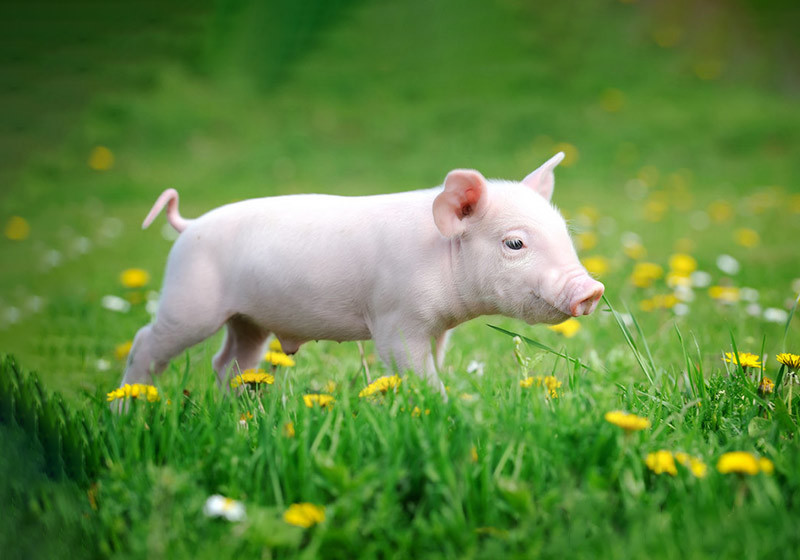
PIG FEED
Pig Feed Application
From the relevant research, adding a certain amount of tryptophan in the diet can increase the feed intake of pigs, promote their growth, reduce stress, improve their immunity and improve meat quality, improve feed conversion rate. Similarly, the tail biting phenomenon of pigs due to weaning and close feeding can also be solved by supplementing tryptophan. Tryptophan can be converted into niacinamide, which promotes the growth of livestock and poultry, prevents the emergence of niacinamide deficiency, and improves the protein synthesis rate of the liver, skin and overall components of growing pigs. For the appropriate tryptophan content in the diet, NRC(1998) indicated that the total tryptophan requirement for 20-50kg pigs was 0.13-0.18.
View moreBOVINE FEED
Cattle Feed Application
Reduce the temperature stress of cattle, increase the average daily gain of cattle and increase the feed intake of cattle. It can promote lactation of dairy cows during lactation.
View more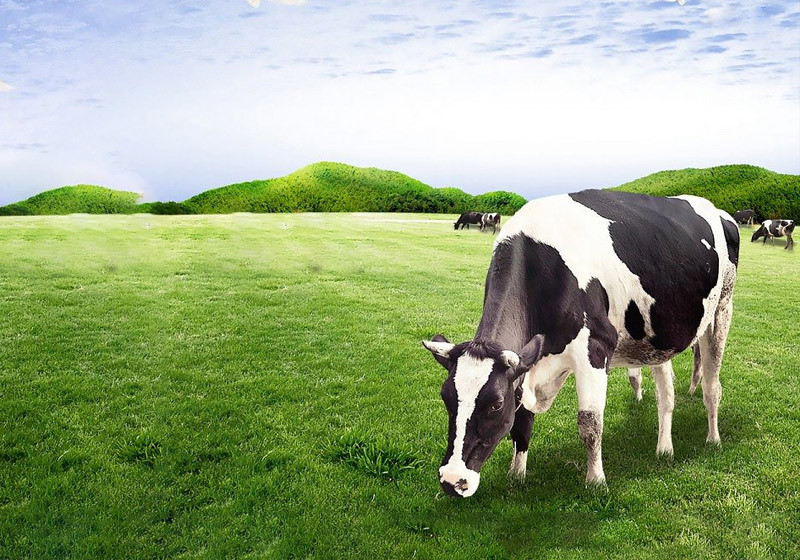
POULTRY FEED
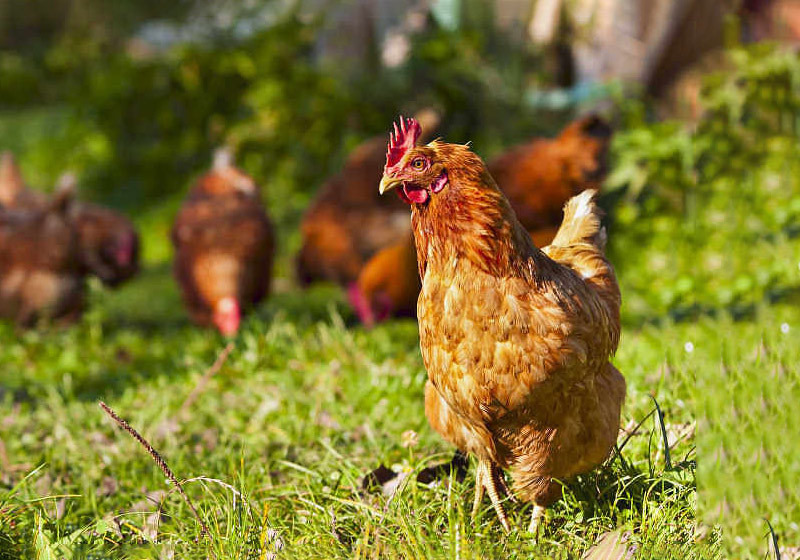
poultry feed application
Tryptophan and its main metabolites 5-HT, melatonin and so on through the animal feeding, immune, anti-stress and other aspects of regulation, can reduce the fecal nitrogen emissions of poultry, improve the utilization of crude protein, thereby reducing the environmental pollution caused by intensive livestock and poultry breeding. The addition of tryptophan can reduce the aggressiveness of chickens and reduce the phenomenon of pecking feathers and anal pecking. Tryptophan has an effect on fat metabolism and can reduce the content of liver fat in poultry;
View moreAQUACULTURE
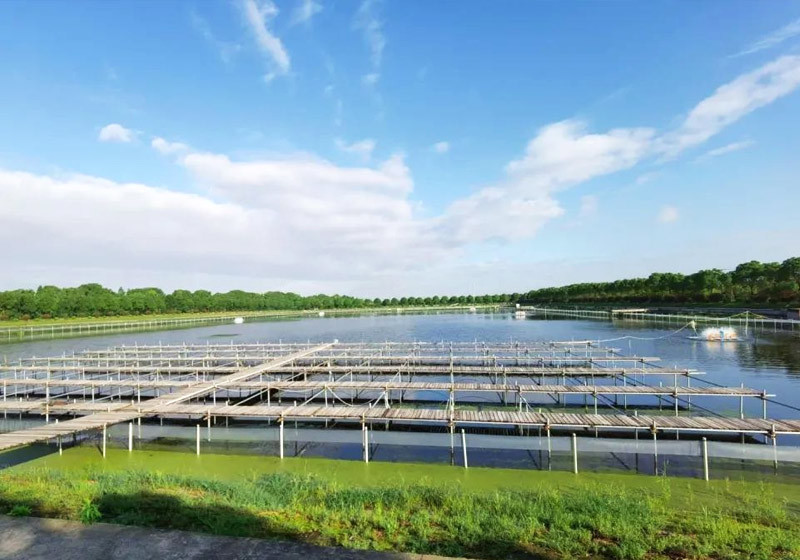
Aquaculture Applications
1) Appropriate amount of tryptophan can improve the length, weight, index and fold height of intestinal tract, the activities of protease, lipase and amylase in hepatopancreas and intestinal tract, and then improve the apparent digestibility of protein, amino acid and dry matter. When the content of tryptophan in grass carp feed was 0.07-0.31%, the feed intake and weight gain rate increased significantly with the increase of feed tryptophan content, and the weight gain rate was significantly positively correlated with the feed intake.
2) Tryptophan can alleviate the crowding stress caused by high-density farming and improve the growth performance of aquatic animals.
3) Tryptophan can increase antioxidant enzyme activity and gene expression, inhibit pro-inflammatory factors and increase the gene expression of anti-inflammatory factors, thereby improving the body's disease resistance.

Weifang Fengde Plastic Products Co., Ltd.
122 Yong 'an Street, Wutu Street, Changle County, Weifang City
+86 15095180133 +86 13356767011
Scan WeChat Consultation
Copyright©2023 Weifang Fengde Plastic Products Co., Ltd